
Uganda, famously known as the Pearl of Africa, is a vibrant destination offering rich wildlife,…
Uganda Cultural Expedition Tours
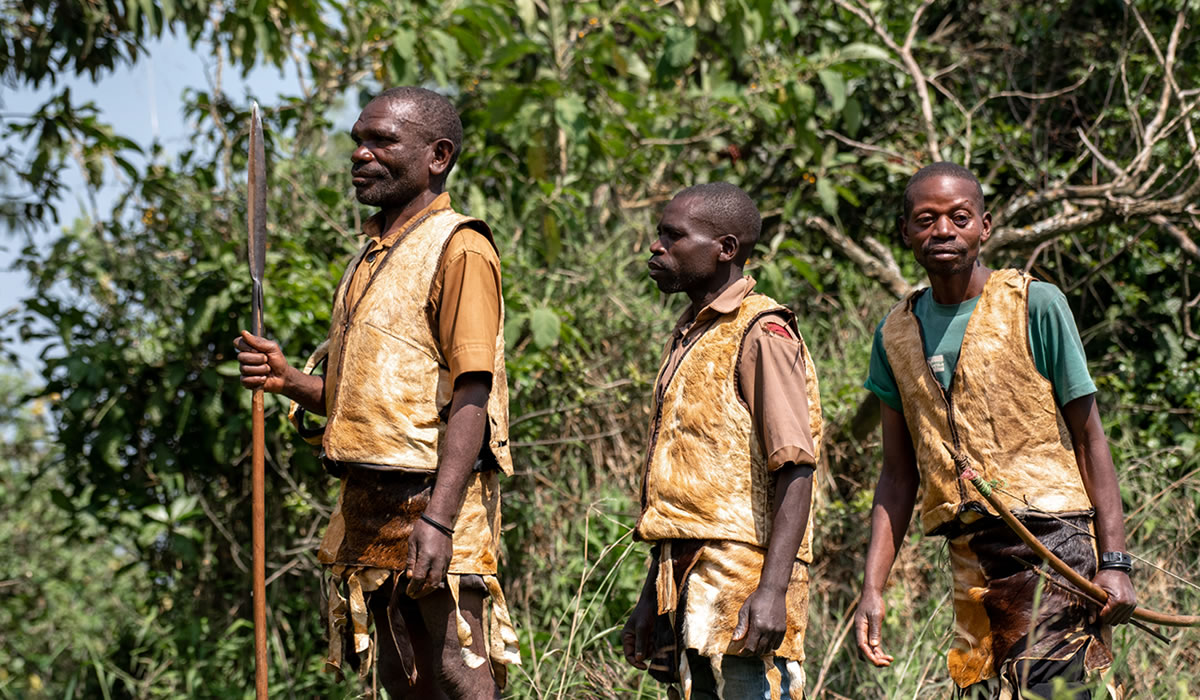
Uganda, known as the Pearl of Africa, is more than just a land of stunning landscapes and abundant wildlife. It is also a vibrant cultural hub with over 50 ethnic groups, each with its own rich traditions, languages, and unique way of life. Cultural expedition tours in Uganda give tourists a chance to go beyond the usual safari experience and immerse themselves in the heartbeat of local communities. These tours provide meaningful encounters, authentic experiences, and a deeper understanding of Uganda’s diverse cultural heritage. From traditional dances and music to ancient kingdoms and village homestays, a cultural expedition in Uganda is an unforgettable journey of discovery.
Cultural Diversity in Uganda
Uganda’s cultural landscape is shaped by its numerous ethnic communities spread across the country. Each group contributes to the national identity through language, dance, dress, music, and oral traditions. The Baganda in central Uganda form the largest ethnic group and have a well-organized kingdom with a rich history. Other major groups include the Banyankole, Basoga, Bakiga, Iteso, Alur, and Acholi, among others.
Tourists can witness the different ways of life as they travel from one region to another. In the central region, royal traditions and historical sites highlight the legacy of the Buganda Kingdom. In western Uganda, the Ankole people are known for their long-horned cattle and unique pastoral culture. The eastern region showcases the Basoga’s vibrant music and dance, while the northern region offers a glimpse into the proud heritage of the Acholi and Lango communities.
This incredible diversity makes Uganda an ideal destination for cultural expedition tours. Visitors can interact with local people, participate in daily activities, and gain insights into centuries-old traditions that are still alive today.
Experiencing the Buganda Kingdom
One of the highlights of cultural tours in Uganda is exploring the Buganda Kingdom. The kingdom has played a central role in Uganda’s history and remains influential in the country’s cultural and political life. Tourists can visit the Kasubi Tombs, a UNESCO World Heritage Site, which serves as the burial place for Buganda kings. The tombs are built using traditional materials and showcase exceptional architectural design.
Another important cultural site is the Kabaka’s Palace in Mengo, which provides a glimpse into the royal traditions of the Baganda. The Bulange Building, the kingdom’s parliament, offers guided tours that explain Buganda’s governance system and cultural heritage. Traditional dance performances, storytelling sessions, and music displays allow tourists to engage with Buganda culture in a personal and memorable way.
The Baganda people place great importance on respect, greetings, and hospitality. Joining a community event or festival gives visitors an opportunity to experience their warm and welcoming nature firsthand.
The Kingdoms of Western Uganda
Western Uganda is home to the Bunyoro, Tooro, and Ankole kingdoms, each with unique cultural characteristics. The Tooro Kingdom, centered in Fort Portal, is known for its scenic beauty and royal heritage. Tourists can visit the Karuzika Palace, which sits on top of a hill overlooking the town, and learn about the kingdom’s history, including the coronation of the Omukama (king).
The Bunyoro Kingdom, one of the oldest in Uganda, offers insight into pre-colonial governance and traditions. Historical sites like the Mparo Tombs near Hoima hold great cultural significance. Visitors can also witness traditional dances and rituals that have been passed down through generations.
In Ankole, the culture revolves around the famous long-horned cattle, which symbolize wealth and prestige. Tourists can visit cattle farms, learn about traditional milking techniques, and taste eshabwe, a traditional ghee sauce. This hands-on experience provides a deeper understanding of the role of cattle in Ankole society.
Northern Uganda and the Acholi Culture
Northern Uganda offers another dimension to Uganda’s cultural landscape. The Acholi people are known for their rich oral traditions, music, and dance. Tourists visiting the Gulu region can experience Bwola, a traditional royal dance performed at ceremonies and festivals. The energetic drumbeats and synchronized movements create a lively atmosphere that captivates audiences.
Village visits in northern Uganda allow tourists to interact directly with Acholi families. They can participate in activities like cooking local dishes, weaving baskets, and listening to storytelling sessions by elders. This interaction helps preserve cultural heritage while also supporting local communities economically.
The resilience and hospitality of the Acholi people have made cultural expeditions in this region deeply inspiring and authentic. Many tourists find this part of the journey to be the most meaningful because it focuses on genuine human connection and understanding.
Eastern Uganda and the Basoga Traditions
Eastern Uganda, home to the Basoga people, is famous for its lively music and dance traditions. Tourists visiting Jinja or Iganga can enjoy performances of Kadodi, a traditional dance that involves rhythmic drumming, singing, and energetic movements. This dance is often performed during cultural celebrations and ceremonies.
The Basoga people also practice traditional crafts such as basket weaving, pottery, and bark cloth making. Cultural expeditions often include visits to craft centers where tourists can learn these skills or purchase handmade souvenirs.
Jinja, located at the Source of the Nile, is also a great place for combining cultural experiences with adventure. Tourists can enjoy cultural performances in the evening after activities like white-water rafting or boat rides on the Nile.
Karamojong Culture in Northeastern Uganda
For tourists seeking a raw and unique cultural experience, visiting the Karamojong communities in northeastern Uganda is a must. The Karamojong are a semi-nomadic pastoralist group known for their distinctive lifestyle, colorful beads, and traditional attire. Their culture is centered around cattle, which play a crucial role in their social and economic life.
Cultural expeditions in Karamoja include village visits where tourists can observe daily activities such as cattle herding, hut building, and traditional ceremonies. The Karamojong also perform captivating dances and songs around campfires, creating unforgettable evenings for visitors.
This region remains relatively untouched by mass tourism, making it one of the most authentic cultural experiences in Uganda. The warm hospitality of the Karamojong people makes tourists feel welcome and gives them a chance to learn about a way of life that has remained largely unchanged for centuries.
Traditional Music, Dance, and Storytelling
Music and dance are at the heart of Ugandan culture. Every ethnic group has its own unique rhythms, instruments, and performance styles. Traditional instruments like the adungu (arched harp), endingidi (tube fiddle), amakondeere (trumpet), and various drums create vibrant sounds that accompany cultural performances.
Tourists on cultural expedition tours can attend live performances at community centers, cultural villages, or during festivals. These performances are not just entertainment, they are expressions of identity and history. Storytelling is also a cherished tradition in many Ugandan communities. Elders pass down folklore, proverbs, and historical accounts through oral narratives that offer valuable insights into local values and beliefs.
By participating in these cultural expressions, tourists gain a deeper appreciation of Uganda’s heritage and its importance in modern society.
Homestays and Community-Based Tourism
A growing trend in Uganda’s cultural expedition tours is community-based tourism, which allows tourists to stay with local families and experience everyday life. Homestays are available in several regions, including western Uganda, northern Uganda, and Karamoja.
Staying with a local family offers tourists a more personal and immersive experience than traditional hotel accommodation. They can learn how to prepare traditional dishes, fetch water from a well, help in gardens, and join in evening gatherings around a fire. This kind of tourism fosters mutual understanding and respect between visitors and host communities.
Community-based tourism also contributes directly to the local economy. The income generated helps fund education, healthcare, and conservation initiatives, creating a positive impact beyond the tourism experience itself.
Cultural Festivals and Events
Uganda’s cultural calendar is full of lively festivals and events that celebrate the country’s heritage. One of the most famous is the Nyege Nyege Festival in Jinja, which attracts artists and tourists from around the world. It features music, dance, fashion, and food, creating a vibrant celebration of culture and creativity.
Other cultural events include the Buganda Coronation Anniversary, Imbalu Circumcision Ceremony among the Bagisu in eastern Uganda, and various royal celebrations in different kingdoms. These festivals are excellent opportunities for tourists to witness Uganda’s culture in its most festive and colorful form.
Attending such events allows tourists to interact with people from different regions, try local dishes, and experience the country’s energetic spirit.
Ugandan Cuisine and Traditional Foods
Food is an important part of any cultural expedition. Uganda’s cuisine reflects its agricultural abundance and cultural diversity. Tourists can enjoy traditional dishes like matoke (steamed green bananas), posho (maize porridge), luwombo (stew cooked in banana leaves), and rolex (chapati rolled with eggs and vegetables).
In different regions, tourists can sample local specialties such as eshabwe in Ankole or tilapia fish from Lake Victoria. Joining a cooking session during a cultural tour is a fun and interactive way to learn about local food traditions. Many community tourism programs include cooking demonstrations and communal meals where visitors and locals eat together, creating meaningful cultural exchanges.
Practical Information for Tourists
Cultural expedition tours in Uganda can be arranged through registered tour operators or community-based tourism organizations. Most tours are customizable and can be combined with wildlife safaris, adventure activities, or nature excursions.
The best time to visit Uganda for cultural tours is during the dry seasons (December to February and June to August), when road conditions are better and festivals are often held. Tourists should respect local customs, dress modestly in rural areas, and seek permission before taking photos of people or sacred sites.
English is widely spoken, but learning a few local greetings can make interactions more enjoyable. Carrying some local currency, the Ugandan Shilling, is useful for purchasing crafts and supporting local businesses.
Uganda cultural expedition tours offer tourists a rare opportunity to connect deeply with the country’s people and traditions. From the royal heritage of the Buganda Kingdom to the pastoral lifestyle of the Karamojong, Uganda’s cultural richness is as diverse as its landscapes. Through dance, music, storytelling, festivals, and homestays, visitors gain not only knowledge but also meaningful experiences that stay with them long after their trip ends.
By choosing cultural expeditions, tourists support local communities, help preserve traditional practices, and contribute to sustainable tourism development. Uganda’s people are its greatest treasure, and their vibrant cultures make the country one of the most enriching cultural destinations in Africa. For anyone seeking an authentic and unforgettable experience, a cultural expedition tour in Uganda is the perfect way to discover the soul of the Pearl of Africa.
Related Posts