
Mgahinga Gorilla National Park is one of Uganda’s most captivating natural treasures, renowned for its magnificent mountain gorillas, striking volcanic landscapes, and rich cultural heritage. Located in the far southwestern corner of Uganda, the park forms part of the larger Virunga Conservation Area, which extends into Rwanda and the Democratic Republic of Congo. Though it is the smallest of Uganda’s national parks, covering just 33.7 square kilometers, Mgahinga Gorilla National Park is immensely significant for conservation and tourism. It offers a rare opportunity for tourists to encounter the endangered mountain gorillas in their natural habitat, alongside golden monkeys and breathtaking mountain scenery.
History and Background
Mgahinga Gorilla National Park was established in 1991 to protect the critically endangered mountain gorillas that inhabit the slopes of the Virunga volcanoes. Before its gazettement, the area was traditionally used by the Batwa pygmies, a forest-dwelling community that depended on hunting and gathering. The park’s creation was part of Uganda’s effort to preserve the gorilla population and promote eco-tourism as a sustainable source of income. Over the years, Mgahinga has become an integral part of the transboundary Virunga ecosystem, which includes Rwanda’s Volcanoes National Park and Congo’s Virunga National Park. Together, these parks form a sanctuary for the world’s remaining mountain gorillas.
The name “Mgahinga” is derived from the local word “gahinga,” which means “pile of volcanic stones,” a fitting description of the rocky terrain scattered across the park’s lower slopes. Since its establishment, the park has grown into one of Uganda’s most iconic destinations, drawing tourists from around the world eager to experience gorilla trekking and other adventure-filled activities.
Geography and Landscape
Mgahinga Gorilla National Park lies in the Kisoro District of southwestern Uganda, bordering Rwanda and the Democratic Republic of Congo. It is part of the Virunga mountain range, which consists of six extinct and three active volcanoes. Within the park, three dormant volcanoes; Mount Muhavura (4,127 meters), Mount Gahinga (3,474 meters), and Mount Sabyinyo (3,669 meters) dominate the skyline. These majestic peaks form part of the dramatic backdrop that makes Mgahinga one of Africa’s most picturesque protected areas.
The park’s terrain includes montane forests, bamboo zones, and afro-alpine vegetation that thrive along the steep mountain slopes. The cool climate, mist-covered peaks, and lush greenery create an atmosphere of mystery and beauty. The altitude varies from 2,227 to 4,127 meters above sea level, resulting in a range of habitats that support diverse wildlife species. Because of its position within the Virunga massif, Mgahinga serves as an essential ecological corridor for gorillas and other wildlife moving between Uganda, Rwanda, and Congo.
Wildlife and Biodiversity
Despite its small size, Mgahinga Gorilla National Park is home to an impressive variety of wildlife. The park’s star attraction is the mountain gorilla, one of the rarest primates in the world. The Nyakagezi gorilla group, the only habituated gorilla family in the park, is available for tourist visits. This group is known for its stability and accessibility, offering tourists an intimate and unforgettable gorilla trekking experience. Each trek is limited to a small number of visitors to minimize disturbance and ensure sustainable tourism practices.
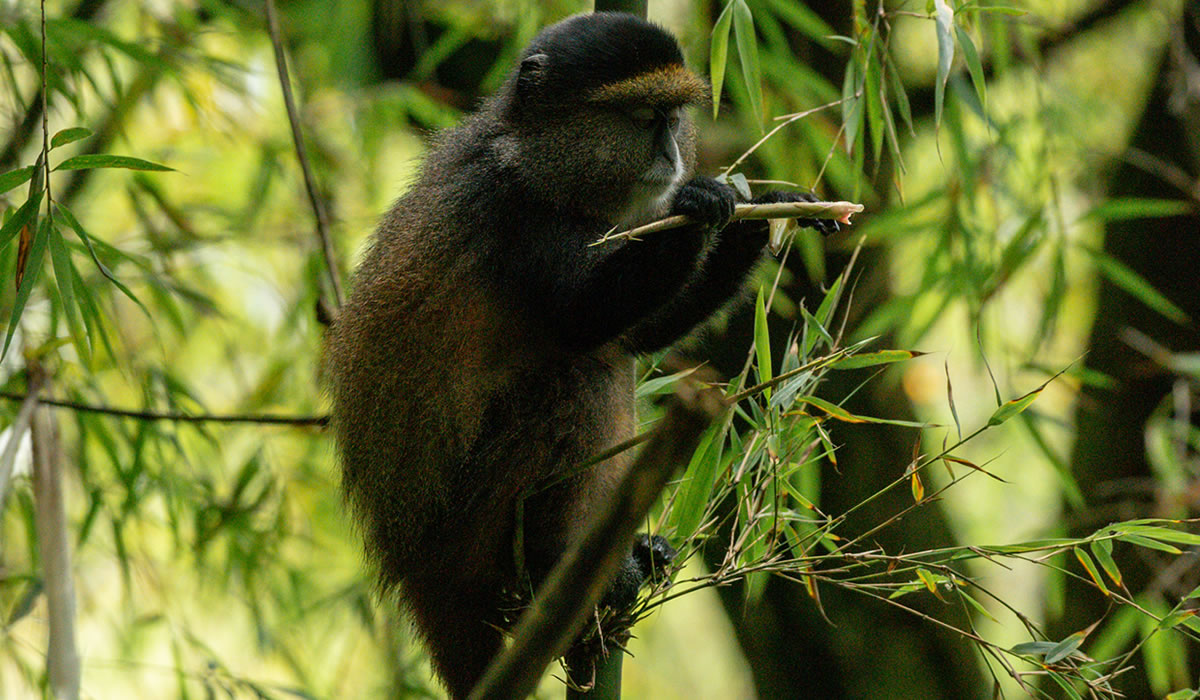
Apart from gorillas, Mgahinga is also one of the best places in Uganda to see the golden monkey, another endangered species found only in the Virunga Mountains. The park’s bamboo forests provide a perfect habitat for these playful primates, and tourists can participate in golden monkey tracking expeditions, which offer fascinating insights into their behavior.
Other mammals in the park include forest elephants, giant forest hogs, bushbucks, buffaloes, and duikers. The rich birdlife adds to the park’s diversity, with over 180 bird species recorded. Notable birds include the Rwenzori turaco, handsome francolin, crowned hornbill, and the scarlet-tufted malachite sunbird. The combination of primates, birds, and scenic beauty makes Mgahinga a premier destination for eco-tourism in Uganda.
Gorilla Trekking Experience
Gorilla trekking is the most sought-after activity in Mgahinga Gorilla National Park and one of the main reasons tourists visit this remote region. The trek usually begins early in the morning at Ntebeko Visitor Centre, where participants receive a briefing from Uganda Wildlife Authority (UWA) rangers about gorilla behavior and trekking etiquette. The actual hike can last anywhere from one to six hours, depending on the gorillas’ location, and involves traversing dense vegetation, steep slopes, and occasionally muddy terrain. The experience, however, is immensely rewarding.
When tourists finally encounter the gorilla family, they are allowed to spend one unforgettable hour observing the group as they feed, play, and interact. The close-up experience with these gentle giants is often described as life-changing and offers a deep appreciation for the importance of wildlife conservation. Gorilla trekking permits are limited and must be booked in advance through the UWA or authorized tour operators.
Other Activities for Tourists
Beyond gorilla trekking, Mgahinga Gorilla National Park offers a variety of other attractions and activities that make it a well-rounded destination. One of the most popular is golden monkey tracking, which gives tourists the chance to observe these rare and lively primates in their natural habitat. The activity is less strenuous than gorilla trekking and equally enjoyable for nature lovers and photographers.
For hiking enthusiasts, mountain climbing is an unforgettable adventure. The three volcanoes within the park can all be climbed in a day, each offering unique challenges and breathtaking views. Mount Muhavura, meaning “the guide,” is the highest and provides panoramic vistas of the Virunga ranges and Lake Edward. Mount Sabyinyo, known as “Old Man’s Teeth,” offers an opportunity to stand in three countries; Uganda, Rwanda, and Congo at its summit. Mount Gahinga, with its crater swamp and lush bamboo forests, is ideal for those seeking a less demanding climb.
Nature walks and birdwatching tours are also popular, especially along the Gorges Trail and the Rugezi Swamp Trail, where tourists can spot birds, butterflies, and smaller forest animals. Another unique attraction is the Batwa Cultural Trail, which gives tourists a glimpse into the traditional lifestyle of the Batwa pygmies, the original inhabitants of the forest. The trail includes demonstrations of hunting techniques, herbal medicine use, and storytelling, offering a valuable cultural experience while supporting community livelihoods.
Accommodation and Lodging
Though Mgahinga Gorilla National Park is relatively small, it offers a range of accommodation options to suit different budgets. Mount Gahinga Lodge is the most luxurious option, located at the base of the volcanoes and offering spectacular views, comfortable cottages, and exceptional hospitality. Mid-range options include Travellers Rest Hotel in Kisoro and Amajambere Iwacu Community Camp, which provides cozy accommodation and direct access to the park gate. Budget tourists can choose from several guesthouses and campsites in Kisoro town, located just a short drive from the park. Many lodges organize gorilla trekking permits, transportation, and guided tours, ensuring that tourists have a smooth and enjoyable experience.
Accessibility and Best Time to Visit
Mgahinga Gorilla National Park is located approximately 510 kilometers from Kampala and can be reached by road in about 8 to 10 hours via Kabale and Kisoro. The journey offers scenic views of Uganda’s rolling hills and lush countryside. For those preferring a quicker route, charter flights are available from Entebbe International Airport or Kajjansi Airfield to Kisoro Airstrip, followed by a short drive to the park.
The park is open year-round, but the best time to visit is during the dry seasons from June to September and December to February, when the trails are less slippery and trekking is easier. The wet seasons, from March to May and October to November, bring lush vegetation and clear skies, ideal for photography and birdwatching, although trekking can be more challenging due to muddy conditions.
Conservation and Community Involvement
Mgahinga Gorilla National Park is managed by the Uganda Wildlife Authority (UWA) in collaboration with local communities and conservation partners. The park plays a crucial role in protecting the endangered mountain gorillas and preserving the unique Virunga ecosystem. Conservation initiatives focus on anti-poaching patrols, habitat restoration, and community education.
Local communities, particularly the Batwa, are actively involved in tourism activities through community-based projects that promote cultural tourism and provide alternative livelihoods. These efforts help reduce human-wildlife conflicts and ensure that conservation benefits are shared with nearby residents. Tourists are encouraged to support these initiatives by visiting cultural sites, purchasing local crafts, and practicing responsible tourism.
Mgahinga Gorilla National Park is a true gem of Uganda’s tourism landscape, offering a perfect blend of wildlife adventure, mountain scenery, and cultural richness. From the awe-inspiring gorilla trekking experience to the scenic volcano hikes and encounters with the Batwa community, every visit to this park leaves lasting memories. Despite being Uganda’s smallest national park, its ecological and cultural significance is enormous, making it a must-visit destination for anyone exploring East Africa. For tourists seeking tranquility, adventure, and an authentic connection with nature, Mgahinga Gorilla National Park stands as one of the most extraordinary places to experience Uganda’s wild beauty and conservation success.