
Lake Mburo National Park is one of Uganda’s most enchanting wildlife destinations, celebrated for its diverse ecosystems, scenic landscapes, and accessibility. Situated in western Uganda, about 240 kilometers from Kampala, the park covers an area of 370 square kilometers, making it the smallest of Uganda’s savannah national parks. Despite its size, Lake Mburo National Park boasts incredible biodiversity, including a wide variety of mammals, birds, and plant species. It is the closest national park to Kampala, which makes it an ideal destination for tourists seeking a short yet immersive safari experience. With its mix of rolling hills, open savannah, acacia woodlands, and shimmering lakes, the park offers a serene atmosphere and a perfect introduction to Uganda’s natural beauty.
History and Background
Lake Mburo National Park was first gazetted as a controlled hunting area in 1933 and later upgraded to a game reserve in 1963. In 1983, it gained national park status, making it one of Uganda’s youngest protected areas. The park derives its name from Lake Mburo, the largest of the five lakes within its boundaries. The local Banyankole people associate the lake with an interesting legend of two brothers, Kigarama and Mburo, who once lived in the area. According to the tale, Kigarama dreamt that a flood would destroy their home and urged his brother Mburo to move to higher ground, but Mburo ignored the warning. The flood came, submerging the valley and forming what is now Lake Mburo. This folklore adds a cultural dimension to the park’s identity and is often shared by local guides with visiting tourists.
Geography and Landscape
Lake Mburo National Park lies in the Ankole sub-region between Mbarara and Masaka, forming part of the western arm of the Great Rift Valley. The park’s landscape is characterized by gently rolling hills, open savannah plains, acacia forests, and papyrus swamps. Its numerous lakes and wetlands create a lush environment that supports an abundance of wildlife. The five lakes within the park; Mburo, Kigambira, Bwala, Kazuma, and Kyahi are part of a larger wetland system that extends beyond the park’s boundaries. Lake Mburo itself is a central feature, offering stunning views and excellent opportunities for water-based activities.
Unlike most of Uganda’s parks, Lake Mburo lacks large predators such as lions and elephants, which makes it a safe environment for walking safaris and cycling tours. The landscape’s mosaic of grasslands, woodland, and water bodies creates beautiful contrasts, providing excellent photographic opportunities. The park’s altitude ranges between 1,220 and 1,828 meters, and its climate is generally mild with two main rainy seasons from March to May and September to November.
Wildlife and Biodiversity
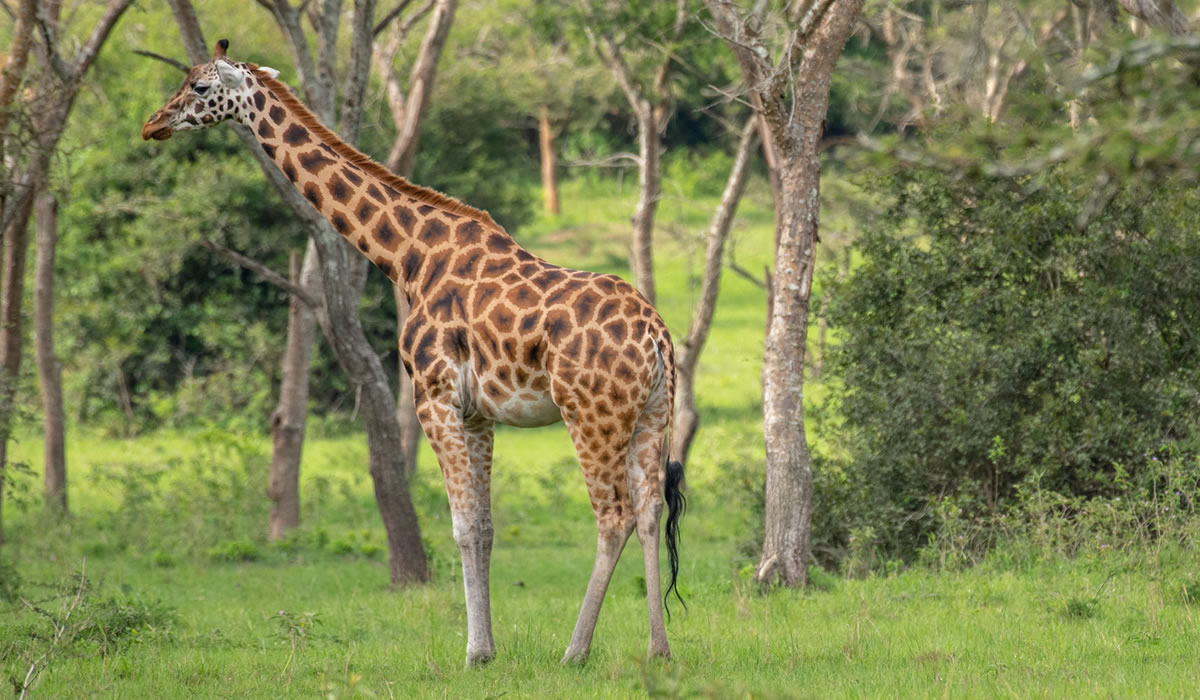
Lake Mburo National Park is renowned for its diverse wildlife. It is home to more than 68 mammal species and over 350 bird species, making it a paradise for nature enthusiasts. Some of the most notable animals include zebras, impalas, elands, buffaloes, hippos, warthogs, and waterbucks. The park is the only place in Uganda where impalas are found and one of the few locations where tourists can see Burchell’s zebras and elands. Leopards are occasionally spotted, especially during night game drives, and hyenas are common in certain parts of the park.
The park’s wetland habitats also support populations of crocodiles and hippos that thrive in the lake’s shallow waters. Birdwatchers will find Lake Mburo National Park a true haven, with notable species such as the African fish eagle, papyrus gonolek, grey crowned crane, shoebill stork, malachite kingfisher, and Ross’s turaco. The park’s diversity of birdlife makes it one of the top birding destinations in Uganda.
Lake Mburo: The Heart of the Park
At the center of the park lies Lake Mburo, a tranquil body of water surrounded by lush vegetation and teeming with wildlife. The lake provides the park’s main water source and supports a rich ecosystem of aquatic species. Tourists can explore the lake through guided boat cruises, which offer a relaxing way to view wildlife up close. During the boat ride, tourists often encounter hippos wallowing in the water, crocodiles basking along the shores, and numerous bird species flying overhead or perched on reeds. The scenic boat trip is a highlight of any visit to Lake Mburo National Park, combining relaxation with opportunities for excellent photography.
Activities for Tourists
Lake Mburo National Park offers a range of exciting activities designed to give tourists a memorable and immersive experience. One of the most popular activities is the game drive, which allows tourists to explore the park’s savannah plains in search of wildlife. Morning and evening game drives offer the best opportunities to spot animals as they graze or move through the open grasslands. The Kazuma Track and the Zebra Track are popular routes for game viewing, offering panoramic views of the park and its wildlife.
For a more intimate encounter with nature, tourists can participate in guided walking safaris. These walks, led by experienced rangers, allow tourists to explore the park on foot and observe wildlife from a safe distance. Because the park has no elephants or lions, walking safaris are safe and particularly rewarding for those who want to learn about the ecosystem, animal tracks, and plant life. Cycling tours and horseback safaris are also unique attractions in Lake Mburo National Park. Horseback safaris, offered by Mihingo Lodge, allow tourists to ride through the savannah and get close to wildlife in a peaceful, non-intrusive way.
Another highlight is the boat cruise on Lake Mburo, which typically lasts about two hours. It is ideal for viewing hippos, crocodiles, and various bird species. Birdwatching tours are also popular, especially in the Rubanga Forest, a small but dense forest within the park that hosts rare and colorful bird species. For those interested in cultural experiences, visits to nearby Banyankole communities provide insight into traditional Ankole pastoral life, including long-horned cattle herding and milk processing demonstrations.
Night game drives offer a different experience, allowing tourists to witness nocturnal animals such as leopards, bushbabies, and hyenas. These drives are guided by UWA rangers and provide thrilling insights into the park’s night-time activity.
Accommodation and Lodging
Lake Mburo National Park offers a variety of accommodation options to suit all budgets and preferences. Luxury lodges such as Mihingo Lodge provide exceptional comfort, with beautiful views overlooking the park and personalized services that enhance the safari experience. Rwakobo Rock Lodge offers mid-range accommodation with eco-friendly designs and a warm atmosphere. Eagle’s Nest Lodge provides a budget-friendly option with comfortable tents that allow guests to enjoy the sounds of nature.
For those who prefer to camp, there are designated campsites managed by the Uganda Wildlife Authority, located at Rwonyo and near the lake’s shores. These campsites offer basic facilities and are ideal for adventurous tourists who want to stay close to nature. Most lodges and camps organize guided activities such as game drives, boat cruises, and nature walks, ensuring that tourists have a well-rounded experience during their stay.
Accessibility and Best Time to Visit
Lake Mburo National Park is easily accessible from Kampala via the Masaka-Mbarara highway. The journey takes about four to five hours by car, covering approximately 240 kilometers. The park’s proximity to the capital city makes it an ideal stopover for tourists traveling between Kampala and western Uganda’s other national parks such as Queen Elizabeth or Bwindi Impenetrable National Park. The main entrance to the park is through the Nshara Gate, located 13 kilometers from Lyantonde town, or the Sanga Gate, located 12 kilometers from Sanga trading center.
The best time to visit Lake Mburo National Park is during the dry seasons, from June to August and December to February, when wildlife is more concentrated around water sources and the roads are easier to navigate. The wet seasons, from March to May and September to November, bring lush vegetation and are ideal for birdwatching, though some roads may become slippery.
Conservation and Community Involvement
Lake Mburo National Park is managed by the Uganda Wildlife Authority (UWA), which works to protect the park’s wildlife and ecosystems through conservation programs and community engagement. One of the park’s unique aspects is the coexistence of wildlife and local cattle herders, a relationship managed through community conservation initiatives. The park collaborates with surrounding communities to promote sustainable tourism and reduce human-wildlife conflicts. Local residents benefit from tourism through employment, craft sales, and cultural performances that generate income and foster a sense of ownership in conservation efforts.
Tourists are encouraged to support local initiatives by purchasing handmade crafts, participating in cultural tours, and practicing responsible tourism. These efforts help ensure that the park remains a thriving natural habitat while contributing to the livelihoods of the people who live nearby.
Lake Mburo National Park stands as a symbol of Uganda’s commitment to wildlife conservation and eco-tourism. Its rich biodiversity, breathtaking landscapes, and range of activities make it one of the most rewarding destinations for tourists seeking a true African safari experience. Whether it is a boat cruise on the tranquil waters of Lake Mburo, a game drive across the open plains, or a guided walk through acacia woodlands, every experience in the park is memorable. It’s convenient location and peaceful ambiance make it a perfect getaway for both local and international tourists. For anyone visiting Uganda, Lake Mburo National Park offers an ideal blend of wildlife, culture, and relaxation, capturing the essence of Uganda’s natural beauty and adventure.