

Kidepo Valley National Park is often described as Uganda’s most spectacular and least-explored wilderness, a hidden gem tucked away in the remote northeastern corner of the country. Located in the Karamoja region, near the borders of South Sudan and Kenya, Kidepo offers breathtaking savanna landscapes, dramatic mountain ranges, and some of the most authentic wildlife encounters in East Africa. Covering an area of 1,442 square kilometers, the park is known for its rich biodiversity, stunning scenery, and sense of solitude that gives tourists an unmatched safari experience. For those seeking adventure off the beaten path, Kidepo Valley National Park stands as one of Africa’s last true frontiers.
History and Background
Kidepo Valley National Park was officially gazetted in 1962, the same year Uganda gained independence. Before its establishment, the area was home to the Ik and Karamojong communities, who lived in harmony with wildlife. However, frequent conflicts and hunting led the colonial government to designate the area as a game reserve in 1958, later upgrading it to national park status to enhance protection. Over time, Kidepo has evolved into one of Uganda’s most celebrated conservation areas, attracting tourists, researchers, and nature enthusiasts from around the world.
The name “Kidepo” originates from the Dodoth verb akidep, meaning “to pick up,” which refers to the seasonal gathering of water and resources along the valley floors. Today, the park is managed by the Uganda Wildlife Authority (UWA) and serves as a critical refuge for wildlife that cannot easily be found elsewhere in the country.
Geography and Landscape
Kidepo Valley National Park lies between the rugged hills and open plains of the Karamoja region, bordered by the Morungole Mountains to the north and the Lotukei Mountains in South Sudan. The park sits at an altitude ranging from 900 to 2,750 meters above sea level, resulting in diverse habitats that include dry thorny savanna, acacia woodland, and seasonal river valleys. Two major seasonal rivers, the Kidepo and Narus, dominate the park’s ecosystem. While the Kidepo River Valley becomes dry and sandy during the dry season, the Narus Valley retains water longer, attracting large concentrations of wildlife.
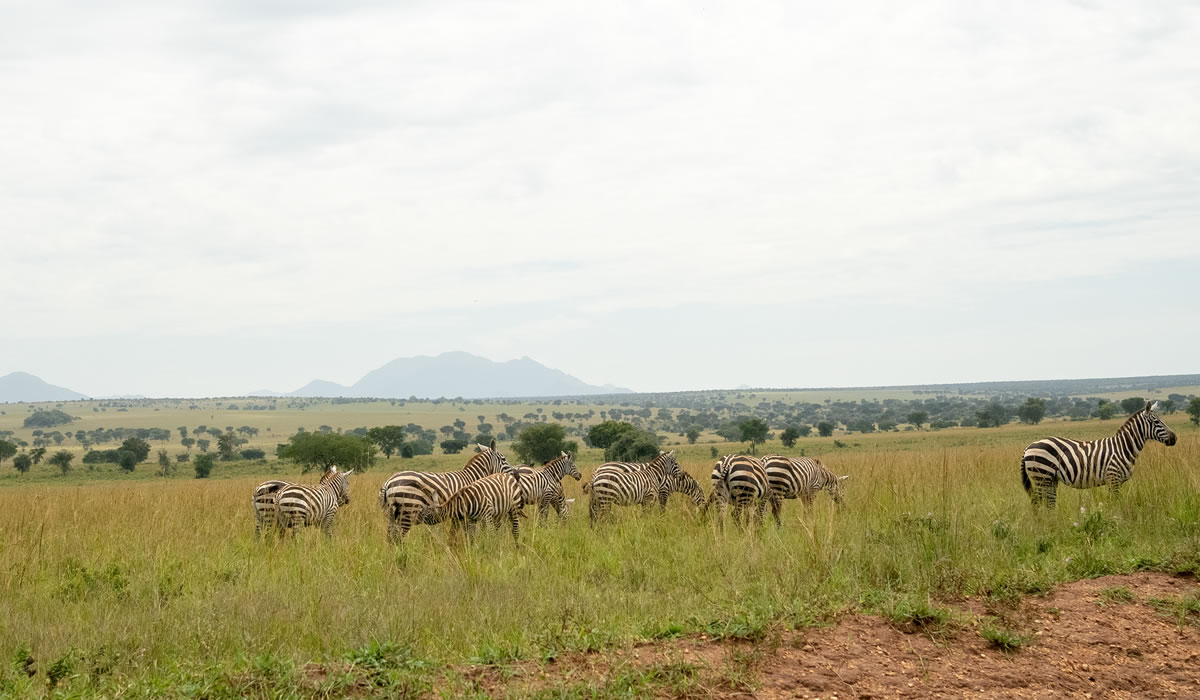
The landscape is breathtakingly vast, with endless plains that seem to stretch to infinity, dotted with acacia trees and dramatic mountain backdrops. The park’s isolation contributes to its pristine condition, offering a sense of untouched wilderness rarely found in modern Africa. The golden savannas, open skies, and distant mountain silhouettes make Kidepo one of the most photogenic destinations in Uganda.
Wildlife and Biodiversity
Kidepo Valley National Park boasts one of the most diverse wildlife populations in Uganda, with over 80 species of mammals and 470 species of birds. Its remote location and arid climate have created a unique ecosystem that supports species found nowhere else in the country. The park is particularly famous for its large herds of buffaloes, often numbering in the thousands, creating an impressive sight for tourists on game drives. Lions, including the majestic tree-climbing lions of Kidepo, are frequently seen resting on rock outcrops or hunting in the Narus Valley.
Other carnivores include cheetahs, leopards, spotted hyenas, side-striped jackals, and bat-eared foxes. The cheetah population in Kidepo is the only one found in Uganda, making the park an exceptional destination for big cat enthusiasts. Herbivores are abundant, with elephants, giraffes, zebras, elands, oribis, hartebeests, and bushbucks among the many species grazing across the plains. The park is also home to rare antelope species such as the greater kudu and lesser kudu, not commonly found elsewhere in Uganda.
For bird lovers, Kidepo is a paradise. The park’s bird checklist includes both East African and West African species, with highlights such as the ostrich, Kori bustard, secretary bird, Abyssinian ground hornbill, and the Karamoja apalis, which is endemic to the region. Raptors are particularly abundant, with the pygmy falcon, Egyptian vulture, and Verreaux’s eagle among the most sought-after species by birdwatchers.
Game Drives and Wildlife Viewing
Game drives are the main activity in Kidepo Valley National Park and provide tourists with opportunities to explore the park’s rich wildlife and scenic landscapes. The most rewarding area for game viewing is the Narus Valley, where water sources attract a variety of animals throughout the year. Early morning and late afternoon game drives are the best times to see predators on the hunt or herbivores grazing peacefully in the open plains.
The Kidepo Valley area, though drier and less populated by animals, offers spectacular scenery and unique attractions such as the Kanangorok Hot Springs. These natural springs mark the northernmost point of the park and provide stunning views of the surrounding hills. Guided safaris with Uganda Wildlife Authority rangers are highly recommended to enhance the experience and ensure safety while exploring the remote terrain.
Cultural Encounters and Community Tourism
Kidepo Valley National Park is not only about wildlife but also about the rich cultural heritage of the people who live around it. Tourists can visit nearby communities to experience traditional African culture that has remained largely untouched by modernization. The Karamojong, known for their warrior traditions and pastoral lifestyle, offer cultural tours that include visits to their manyattas (homesteads), traditional dances, and storytelling sessions. Their deep connection to cattle and ancient customs gives visitors insight into one of Uganda’s most authentic cultures.
Equally fascinating are the Ik people, one of Uganda’s smallest and most isolated tribes, who live in the Morungole Mountains on the park’s northern edge. Visiting the Ik community involves a scenic hike through the hills, where tourists can learn about their survival strategies, farming methods, and spiritual beliefs. These cultural encounters not only enrich the tourist experience but also support community livelihoods through sustainable tourism initiatives.
Activities in Kidepo Valley National Park
In addition to game drives and cultural visits, Kidepo offers a variety of activities that appeal to adventure seekers and nature lovers. Guided nature walks allow tourists to explore the park on foot, accompanied by armed rangers who interpret the environment and help identify animal tracks, bird species, and plant life. The Lomej Hills offer excellent hiking opportunities and panoramic views of the surrounding plains, while the Morungole Mountain Trail provides a more challenging climb and a chance to meet the Ik people at the summit.
For photographers, the park’s vast landscapes, dramatic lighting, and abundant wildlife provide endless opportunities for stunning shots. Birdwatching is another highlight, with the park’s dry savanna and riverine habitats attracting a wide variety of species throughout the year.
Accommodation and Lodging
Despite its remote location, Kidepo Valley National Park offers several comfortable accommodation options ranging from luxury lodges to budget campsites. The most luxurious is Apoka Safari Lodge, located within the park, which provides elegant cottages overlooking the Narus Valley. The lodge features spacious rooms, a swimming pool carved out of rock, and personalized service, making it perfect for tourists seeking comfort in the wilderness.
Mid-range options include Nga’Moru Wilderness Camp, situated just outside the park boundary, offering stunning views and a cozy atmosphere. Budget tourists can stay at Apoka Rest Camp, managed by the Uganda Wildlife Authority, which provides affordable bandas and camping facilities. Visitors can also choose to stay in nearby Kaabong or Kotido towns, where several guesthouses are available for more economical options.
Accessibility and Best Time to Visit
Kidepo Valley National Park is located about 700 kilometers from Kampala, Uganda’s capital, and can be accessed by road or air. The road journey takes approximately 10 to 12 hours, passing through Gulu or Kitgum, and offers scenic views of northern Uganda’s countryside. While the trip is long, the sense of adventure and the beauty of the destination make it worthwhile. Alternatively, tourists can take chartered flights from Entebbe International Airport or Kajjansi Airfield to Kidepo Airstrip, which is just a few kilometers from Apoka.
The park can be visited year-round, but the dry seasons from December to February and June to September are the best times for wildlife viewing, as animals congregate around water sources and vegetation is less dense. The wet seasons, from March to May and October to November, transform the park into a lush green paradise, offering spectacular scenery and excellent birdwatching opportunities.
Conservation and Community Involvement
Kidepo Valley National Park is managed by the Uganda Wildlife Authority in partnership with conservation organizations and local communities. The park’s isolation has helped preserve its ecosystem, but challenges such as poaching, human-wildlife conflict, and limited infrastructure still exist. Community-based tourism projects and conservation education programs are helping to address these issues by promoting sustainable coexistence between people and wildlife.
Tourists play a vital role in supporting conservation by adhering to park regulations, minimizing environmental impact, and purchasing local crafts and services. Revenue from tourism helps fund anti-poaching efforts, ranger training, and community development projects, ensuring that the benefits of conservation reach local populations.
Kidepo Valley National Park remains one of Uganda’s most captivating and remote safari destinations, offering tourists an unparalleled wilderness experience. Its sweeping savannas, dramatic mountain scenery, diverse wildlife, and vibrant cultures combine to create a truly unique adventure. For those seeking solitude, authenticity, and raw beauty, Kidepo is a place where nature still reigns supreme. Whether watching lions bask in the sun, exploring the Narus Valley on a game drive, or engaging with the local Karamojong and Ik communities, every moment spent in Kidepo leaves a lasting impression. It is a park that embodies the spirit of wild Africa and stands as one of Uganda’s greatest natural treasures.