
Rwenzori Mountains National Park is one of Uganda’s most stunning and unique tourist destinations, offering a combination of natural beauty, adventure, and ecological diversity. Located in western Uganda along the border with the Democratic Republic of Congo, the park covers about 996 square kilometers and is dominated by the snow-capped Rwenzori mountain range, famously known as the “Mountains of the Moon.” This UNESCO World Heritage Site is celebrated for its spectacular glaciers, waterfalls, lakes, and rich biodiversity, making it a must-visit destination for tourists seeking both scenic beauty and challenging mountain treks.
History and Background
Rwenzori Mountains National Park was officially established in 1991 to protect the Rwenzori mountain ecosystem, which is home to rare plants, animals, and bird species. In 1994, the park was declared a UNESCO World Heritage Site due to its outstanding natural significance and ecological importance. The Rwenzori mountains were first described by Greek geographer Ptolemy around 150 AD, who referred to them as the “Mountains of the Moon” because of their snow-capped peaks that seemed to glow under the equatorial sun. These mountains are a vital water catchment area, feeding several rivers that flow into the Nile. Throughout history, the Rwenzoris have been revered by local communities, particularly the Bakonzo people, who consider the peaks sacred and integral to their cultural beliefs.
Geography and Landscape
The Rwenzori Mountains, also known as the Rwenzori Range, are the third-highest mountain range in Africa after Mount Kilimanjaro and Mount Kenya. The highest peak, Margherita, located on Mount Stanley, rises to an elevation of 5,109 meters above sea level. What makes the Rwenzori unique is that it is a true mountain range, not a volcanic formation like many other East African peaks. The park’s landscape features glacial peaks, rugged ridges, deep valleys, alpine meadows, and montane forests, all contributing to its breathtaking scenery. The area experiences heavy rainfall throughout the year, which nourishes the dense vegetation and feeds numerous rivers and lakes such as Lake Bujuku, Lake Mahoma, and Lake Kitandara.
One of the most striking features of the park is its distinctive vegetation zones, which change with altitude. The lower slopes are dominated by montane forest and bamboo, while the higher elevations are covered by giant lobelias, groundsel, and heathers that give the mountains an otherworldly appearance. Above 4,500 meters, the landscape transitions into a rocky, glacial environment where snow and ice persist throughout the year.
Wildlife and Biodiversity
Rwenzori Mountains National Park is rich in biodiversity, hosting a wide variety of flora and fauna, many of which are endemic to the Albertine Rift region. The park is home to over 70 mammal species and around 217 bird species. Mammals found here include forest elephants, hyraxes, bushbucks, chimpanzees, giant forest hogs, and several species of duikers. The dense forests also provide habitat for rare primates such as the L’Hoest’s monkey and blue monkey.
Birdwatchers will find Rwenzori Mountains National Park a true paradise. The park is one of Uganda’s Important Bird Areas, with notable bird species including the Rwenzori turaco, Rwenzori batis, long-eared owl, golden-winged sunbird, and strange weaver. The park’s altitude range supports both lowland and montane bird species, making it an ideal destination for serious birding tours. The combination of wildlife, birds, and plant life contributes to the park’s status as one of Africa’s most ecologically diverse mountain regions.
The Majestic Peaks of the Rwenzori Mountains
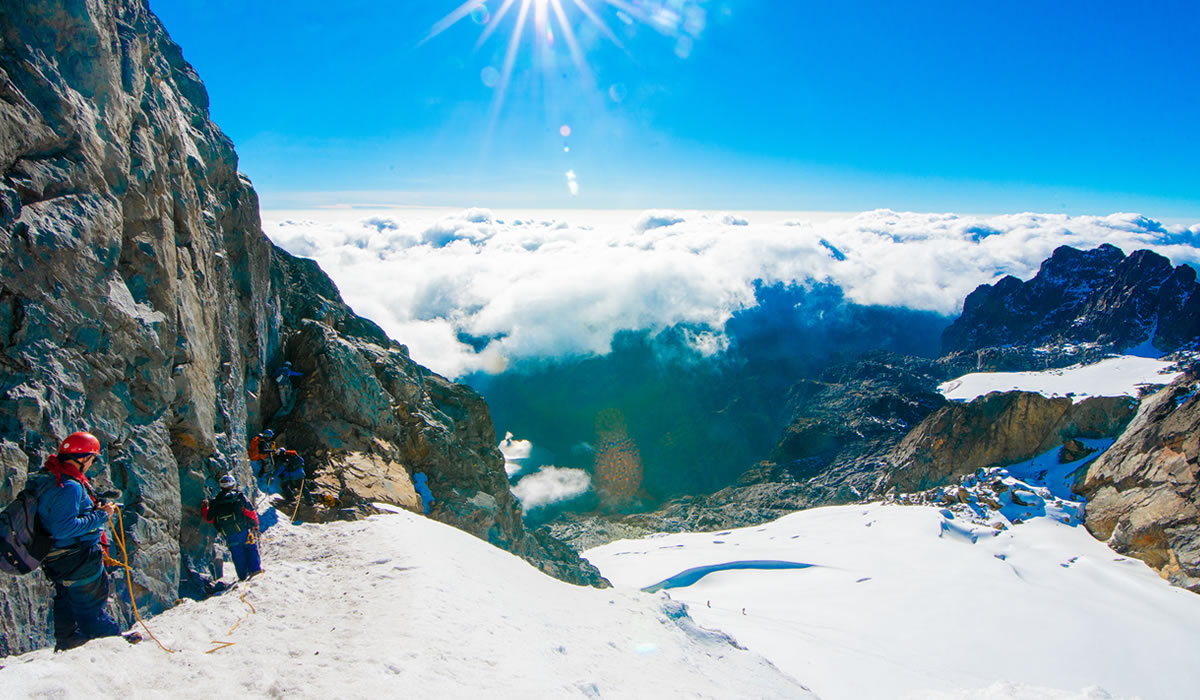
The Rwenzori mountain range is made up of six major peaks: Mount Stanley, Mount Speke, Mount Baker, Mount Emin, Mount Gessi, and Mount Luigi di Savoia. Mount Stanley is the tallest and contains the highest point, Margherita Peak. These peaks are often shrouded in mist, adding to their mystique and allure. Glaciers and permanent snowfields still crown the highest peaks, despite gradual melting due to climate change. Climbing to the summits of these peaks is a challenging but rewarding experience that attracts adventurous tourists from all over the world.
The Central Circuit Trail and the Kilembe Trail are the two main routes used for mountain climbing expeditions. These trails take climbers through multiple vegetation zones, from tropical forests to alpine zones and finally to the snow-covered peaks. Along the way, tourists encounter stunning waterfalls, unique plant species, and sweeping views of the valleys below. The experience of reaching Margherita Peak, the highest point, is often described as both physically demanding and spiritually uplifting.
Activities for Tourists
Rwenzori Mountains National Park offers a variety of exciting activities that cater to different interests and fitness levels. The most popular activity is mountain trekking, which can range from short hikes to multi-day expeditions. The Rwenzori Mountaineering Services (RMS) and other licensed operators organize guided treks that last between three to ten days, depending on the chosen route and desired summit. Trekkers can explore scenic valleys such as the Bujuku and Mubuku valleys, where the views are breathtaking and the vegetation is extraordinary.
For tourists who prefer less strenuous activities, the park offers nature walks at the foothills, especially around Nyakalengija and Kilembe. These walks provide opportunities to spot birds, monkeys, and various plant species while learning about the park’s ecology from local guides. Bird watching is another popular activity, and birding enthusiasts can spend hours identifying rare and colorful species that inhabit the forest and alpine zones.
Cultural encounters are an integral part of the Rwenzori experience. Tourists can visit nearby Bakonzo villages to learn about traditional customs, music, and dances. The Ruboni community, located near the park entrance, offers cultural tours that include storytelling, craft demonstrations, and traditional meals. These community-based tourism initiatives not only enrich the tourist experience but also contribute to local economic development.
Accommodation and Lodging
There are several accommodation options available in and around Rwenzori Mountains National Park, catering to different budgets and preferences. Luxury lodges such as Equator Snow Lodge offer comfortable rooms, warm hospitality, and scenic views of the Rwenzori foothills. Mid-range lodges and guesthouses like Ruboni Community Camp and Mihunga Safari Lodge provide cozy and affordable stays for tourists seeking a more rustic experience. For those embarking on multi-day hikes, the park provides mountain huts and campsites along the trekking routes, offering basic shelter and facilities for overnight stays. Most lodges and camps work closely with park authorities to arrange guided hikes and cultural experiences.
Accessibility and Best Time to Visit
Rwenzori Mountains National Park is located about 375 kilometers from Kampala and can be reached by road via Fort Portal or Kasese. The journey takes approximately six to seven hours, offering beautiful views of western Uganda’s rolling hills and tea plantations. Regular bus and private car services connect Kampala to Kasese, and domestic flights are also available from Entebbe to Kasese Airstrip, which lies near the park.
The best time to visit the park is during the dry seasons, which occur from June to August and December to February. During these periods, the trails are less slippery and the weather is more favorable for hiking. However, since the Rwenzori region experiences rainfall throughout the year, tourists should always be prepared for wet conditions. The wet seasons, from March to May and September to November, bring lush vegetation and clearer skies, ideal for photography and birdwatching, though trekking can be more challenging.
Conservation and Community Involvement
Rwenzori Mountains National Park is managed by the Uganda Wildlife Authority (UWA), which works tirelessly to conserve the park’s delicate ecosystem. The park faces challenges such as climate change, glacier melting, and encroachment, but collaborative conservation efforts have been established to address these issues. Local communities play a significant role in conservation through community tourism projects that provide alternative livelihoods and reduce human pressure on the park’s resources. The Rwenzori region also benefits from environmental education programs that promote awareness and encourage sustainable use of natural resources.
Tourists are encouraged to practice responsible tourism by following park regulations, supporting community-based projects, and minimizing environmental impact. These efforts help preserve the unique beauty of the Rwenzori Mountains for future generations.
Rwenzori Mountains National Park is a treasure of natural splendor, adventure, and ecological richness. Its snow-capped peaks, lush valleys, and diverse wildlife make it a remarkable destination for nature lovers and adventure seekers alike. Whether trekking to Margherita Peak, exploring the forest trails, or immersing in local culture, tourists are guaranteed an unforgettable experience in this mountain paradise. The Rwenzori Mountains, often described as mystical and majestic, stand as a testament to Uganda’s incredible natural heritage and remain one of the most captivating attractions in East Africa. Visiting Rwenzori Mountains National Park is more than a journey into the wild, it is a journey into the heart of nature’s grandeur.