

Kibale Forest National Park is one of Uganda’s most enchanting and biodiverse destinations, often referred to as the “Primate Capital of the World.” Located in western Uganda, this lush tropical rainforest is famous for its high concentration of primates, particularly chimpanzees. Covering an area of 795 square kilometers, the park is a haven for nature lovers, wildlife enthusiasts, and tourists seeking authentic encounters with Uganda’s unique biodiversity. Kibale combines rich flora, fascinating fauna, and cultural experiences, making it one of East Africa’s most rewarding ecotourism destinations.
History and Background
Kibale Forest National Park was officially gazetted in 1993 to protect one of the last remaining expanses of pre-montane rainforest in Uganda. Before its establishment as a national park, the area was a forest reserve managed for timber production during the colonial period. Over time, conservationists recognized its exceptional ecological value and unique primate population, leading to its protection as a national park. The park now forms part of an extensive forested ecosystem that stretches through the Queen Elizabeth Conservation Area, creating an important wildlife corridor for elephants and other large mammals.
The local communities surrounding Kibale have long depended on the forest for resources, including medicinal plants, honey, and firewood. Conservation efforts now focus on sustainable coexistence between people and wildlife through community projects that promote eco-tourism and conservation education.
Geography and Landscape
Kibale Forest National Park lies between Fort Portal and Kamwenge districts in western Uganda, near the foothills of the Rwenzori Mountains. The park’s altitude ranges from 1,100 to 1,600 meters above sea level, resulting in diverse vegetation types that include tropical rainforest, swamp, grassland, and woodland. The dominant ecosystem is moist evergreen forest, which harbors towering trees reaching up to 55 meters high, intertwined with vines, epiphytes, and thick undergrowth.
The park’s scenic landscape is complemented by several crater lakes, rolling hills, and patches of savanna that merge with the northern part of Queen Elizabeth National Park. The dense forest canopy and tranquil atmosphere make Kibale an ideal destination for tourists seeking both adventure and serenity in nature.
Wildlife and Biodiversity
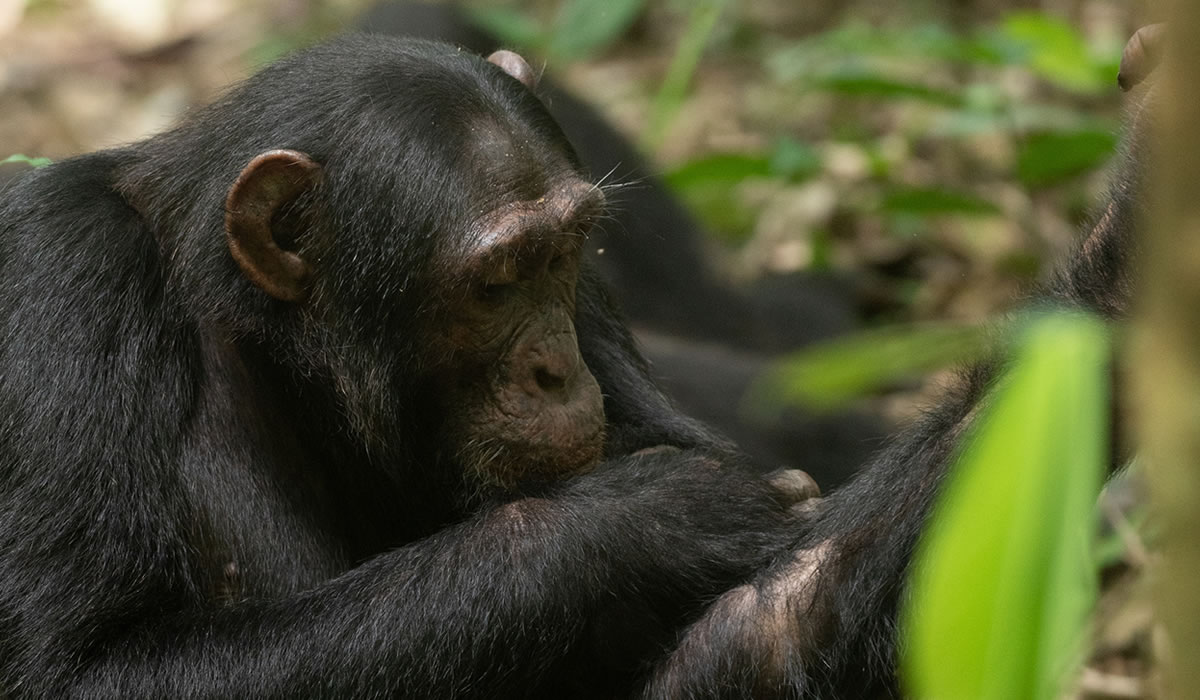
Kibale Forest National Park is celebrated for its astonishing biodiversity, home to over 70 mammal species and 13 primate species, making it the highest primate diversity area in Africa. The park’s most famous residents are the chimpanzees, with an estimated population of over 1,500 individuals. Tourists have the unique opportunity to track habituated chimpanzee groups and observe their complex social behaviors up close. The experience of watching chimpanzees communicate, feed, and swing through the trees is both educational and deeply moving.
Apart from chimpanzees, Kibale is home to other primate species such as red colobus monkeys, black-and-white colobus monkeys, blue monkeys, L’Hoest’s monkeys, vervet monkeys, and the grey-cheeked mangabey. The elusive nocturnal bush baby and potto can also be seen during guided night walks. Large mammals, though less commonly sighted, include forest elephants, bush pigs, duikers, sitatungas, and buffaloes. The park’s diverse habitats also support numerous amphibians, reptiles, and butterflies.
Bird enthusiasts will find Kibale a paradise, as it hosts more than 375 bird species, including some of Uganda’s rarest forest birds. The Green-breasted pitta, African pitta, black bee-eater, crowned eagle, and yellow-spotted barbet are among the notable species. The Bigodi Wetland Sanctuary, located near the park, is especially famous for birdwatching, offering sightings of the great blue turaco and other colorful forest birds.
Chimpanzee Tracking Experience
Chimpanzee tracking is the highlight of any visit to Kibale Forest National Park. The activity begins early in the morning at the Kanyanchu Visitor Centre, where tourists are briefed on tracking guidelines and chimpanzee behavior. Accompanied by experienced Uganda Wildlife Authority (UWA) guides, tourists embark on a guided trek through the dense forest in search of a habituated chimpanzee community.
The trek can last anywhere from 2 to 4 hours depending on the location of the chimpanzees, but the reward of finding them is unforgettable. Upon locating the group, tourists are allowed to spend one hour observing their interactions, grooming sessions, and playful antics. The experience provides a profound appreciation of the similarities between humans and these intelligent primates.
For those seeking a more in-depth experience, Kibale also offers the Chimpanzee Habituation Experience, which allows visitors to spend an entire day with researchers and chimpanzees as they go about their daily activities. This immersive program provides valuable insight into chimpanzee ecology, behavior, and conservation.
Other Activities in Kibale Forest National Park
While chimpanzee tracking is the main attraction, Kibale offers a wide range of other activities that make it a diverse eco-tourism destination. Nature walks through the forest give tourists the opportunity to explore its incredible plant life, spot other primates, and enjoy the serene environment. The Bigodi Wetland Sanctuary, managed by the local community, is a must-visit site for birdwatching and cultural encounters. This swampy area, located just outside the park, is home to over 200 bird species and several primate species. Guided walks along its boardwalks allow visitors to appreciate the area’s biodiversity while supporting community conservation efforts.
Nocturnal forest walks are another fascinating activity, giving tourists a chance to see nocturnal animals such as pottos, bush babies, and nightjars under the guidance of rangers equipped with spotlights. Crater lake tours around the Ndali-Kasenda area offer breathtaking views of volcanic landscapes and opportunities for photography, hiking, and relaxation. Tourists can also engage in community visits, learning about the traditions, crafts, and livelihoods of the Batooro people and other local communities living near the park.
Accommodation and Lodging
Kibale Forest National Park offers a variety of accommodation options that cater to all budgets and preferences. Luxury lodges such as Kyaninga Lodge, Crater Safari Lodge, and Papaya Lake Lodge provide elegant rooms, stunning views, and high-quality services for tourists seeking comfort and exclusivity. Mid-range options include Primate Lodge Kibale, located within the park near the Kanyanchu Visitor Centre, and Chimpanzee Forest Guesthouse, which offers charming cottages and great hospitality.
Budget tourists can stay at community-based lodges like Rweteera Safari Park or Nyinabulitwa Country Resort, which offer simple yet comfortable facilities near the park entrance. Many of these accommodations also organize chimpanzee permits, guided tours, and transfers, ensuring a smooth experience for visitors.
Accessibility and Best Time to Visit
Kibale Forest National Park is located approximately 310 kilometers from Kampala, Uganda’s capital, and can be reached by road in about 5 to 6 hours via Fort Portal. The journey is scenic, passing through lush countryside, tea plantations, and crater lakes. Alternatively, charter flights are available from Entebbe International Airport to Kasese or Fort Portal airstrips, followed by a short drive to the park.
The park is open throughout the year, but the best time to visit is during the dry seasons from December to February and June to September. During this period, the trails are less muddy, and chimpanzee tracking is easier. The wet seasons, from March to May and October to November, bring lush greenery and are ideal for birdwatching, although some areas may be more difficult to access due to slippery trails.
Conservation and Community Involvement
Kibale Forest National Park is managed by the Uganda Wildlife Authority (UWA), which works closely with conservation organizations and local communities to promote sustainable tourism and protect biodiversity. The park’s chimpanzee populations are part of long-term research and conservation programs led by institutions such as Makerere University and international partners.
Community involvement is a cornerstone of Kibale’s conservation success. Initiatives like the Bigodi Wetland Sanctuary and local women’s cooperatives empower communities by creating alternative livelihoods through eco-tourism and handicraft production. These projects reduce dependence on forest resources and enhance local support for wildlife conservation.
Tourists are encouraged to practice responsible tourism by respecting park rules, minimizing waste, and supporting community enterprises. This ensures that tourism continues to benefit both nature and the people who live alongside it.
Kibale Forest National Park stands as one of Uganda’s most captivating eco-tourism destinations, offering tourists a rare opportunity to explore pristine rainforest, encounter wild chimpanzees, and experience authentic cultural interactions. Its incredible biodiversity, breathtaking scenery, and well-managed tourism infrastructure make it a must-visit location for anyone exploring Uganda’s natural wonders. Whether it is the excitement of chimpanzee tracking, the tranquility of the forest trails, or the charm of local hospitality, Kibale offers an unforgettable experience that highlights the beauty and richness of Uganda’s wilderness. For tourists seeking a deep connection with nature and wildlife, Kibale Forest National Park remains a jewel in Africa’s conservation crown.